
Interview with Belize 2020 summit attendees
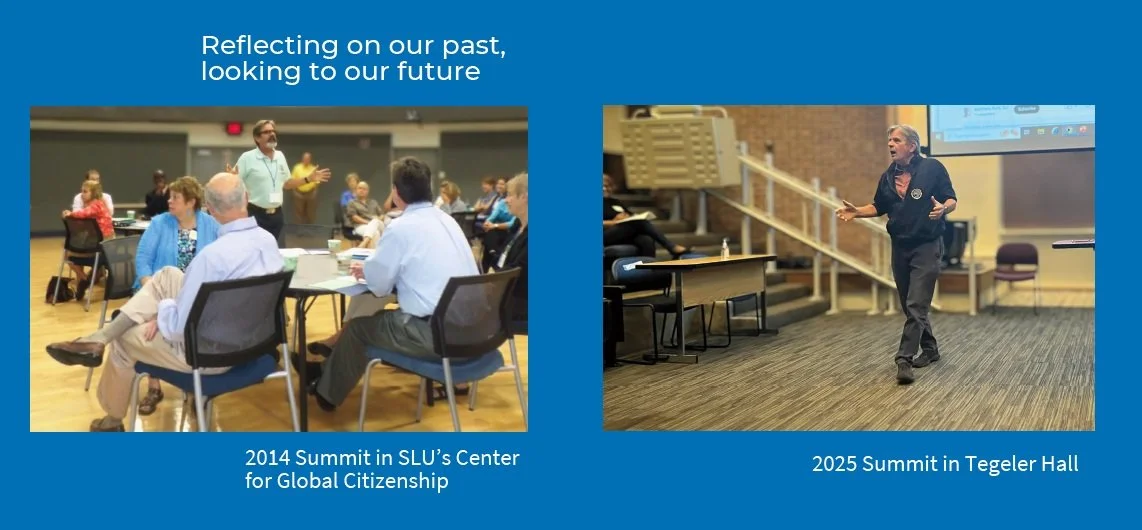
When the nonprofit volunteer organization Belize 2020 launched at its first summit in 2014, the name reflected the year 2020 as the time period to accomplish a set of projects in Belize.
Now, in 2025, while the name of Belize 2020 is a little outdated, the organization continues to focus on improving the quality of life in Belize by supporting Jesuit ministries in the country.
That decade-long effort and a need to envision the next decade of the organization drove Belize 2020 to host another large summit this past summer — a three-day event that included developing strategic priorities, including, yes, reflecting on a new name.
“God's here bringing us together and allowing both Belizeans and Americans and St. Louisans to see and develop with each other,” said Jack Krings, one of the founding members of Belize 2020.
The three-day summit was the culmination of months of preparation and marked a collective effort to focus not only on defining priority goals but also on imagining what Belize 2020 and its organizational identity should become in the coming years.
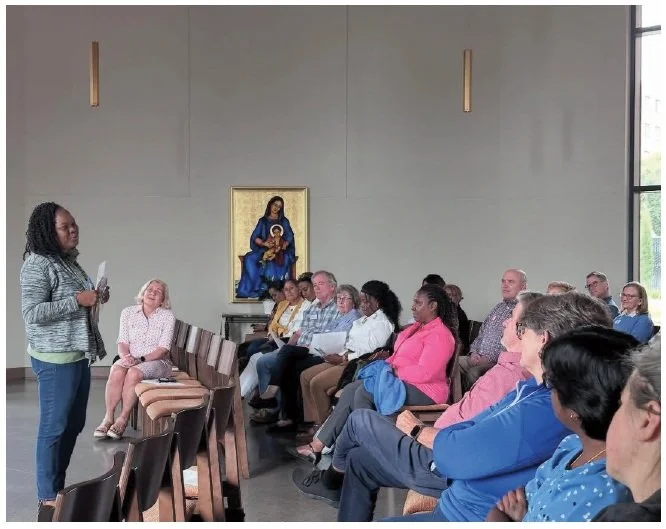
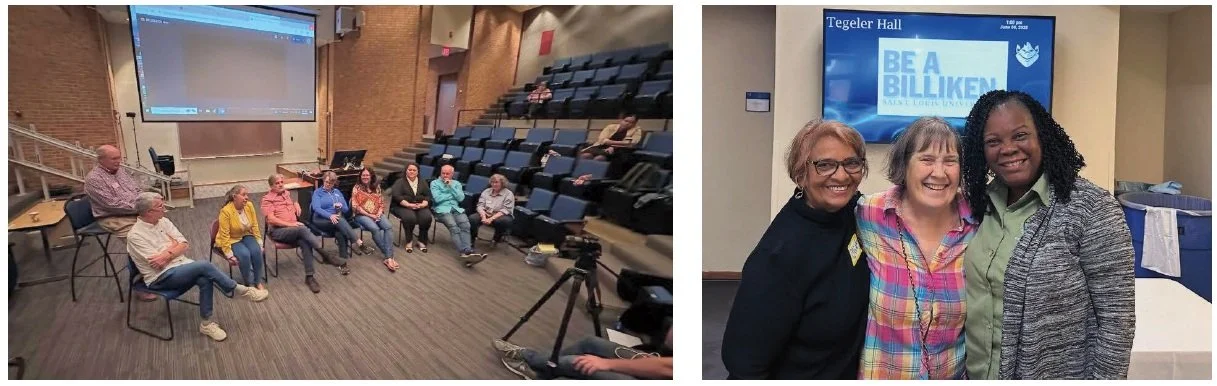
Summit members celebrate Mass and reflect together.
In February, at the annual retreat in Belize City, leaders of Belize 2020 organized six working subgroups identified by priority area: internal governance, educational partnerships, mental health and wellbeing, Catholic identity, nutrition and health, and physical infrastructure. From that retreat those working groups met virtually three times in the spring brainstorming a list of specific goals to then bring to the planning summit in June. Over the course of the summit, the goals and subgroups were further distilled into three key areas dealing broadly with organizational structure, education, and the Jesuit framework of “Cura Personalis.”
“The group has invested in a variety of programs, from education to mental health to physical infrastructure, with great success. The purpose of the summit was to reflect on the goal for these programs and to clarify our motivations for the future all while maintaining the group’s tight relationships with one another,” said SLU professor Bryan Sokol, one of the summit organizers. The planning process solidified a variety of projects and proposed directions for the group.
In the area of education, Belize 2020 aimed to bolster opportunities at St. Peter Claver School in southern Belize — one of the most under-resourced regions in the country. Proposed initiatives include launching a literacy program similar to St. Martin’s, securing funding for a school counselor, and expanding access to scholarships that would enable high school graduates to attend junior colleges in Belize.
The plan also described potential steps to strengthen the organization itself, such as creating an advisory board, establishing clear funding priorities, and drafting a memorandum of understanding with SLU’s School of Education to formalize the partnership between SLU and Belize 2020.
Lastly, the strategic plan called for a focus on holistic health — blending mental, physical, and spiritual wellbeing through an Ignatian framework of Cura Personalis. Reflecting this commitment, the summit planners recognized that resources needed to be directed not only to students but also to teachers. The group also acknowledged the need for more formal listening sessions to better understand what health and nutritional resources Belizeans struggled to access.
The summit’s planning efforts affirmed the current trajectory of Belize 2020, which in the past decade has been built on a love, generosity, and commitment that originated in the first summit at SLU in 2014.
“Belize 2020 is a grounded group, a cooperative group comprised of Belizeans and our [other] parties who are working to make things better,” said Claret Jacobs, the assistant local manager in southern Belize. “They are there to build together, to strengthen. It is not about one person, it is about everyone.”
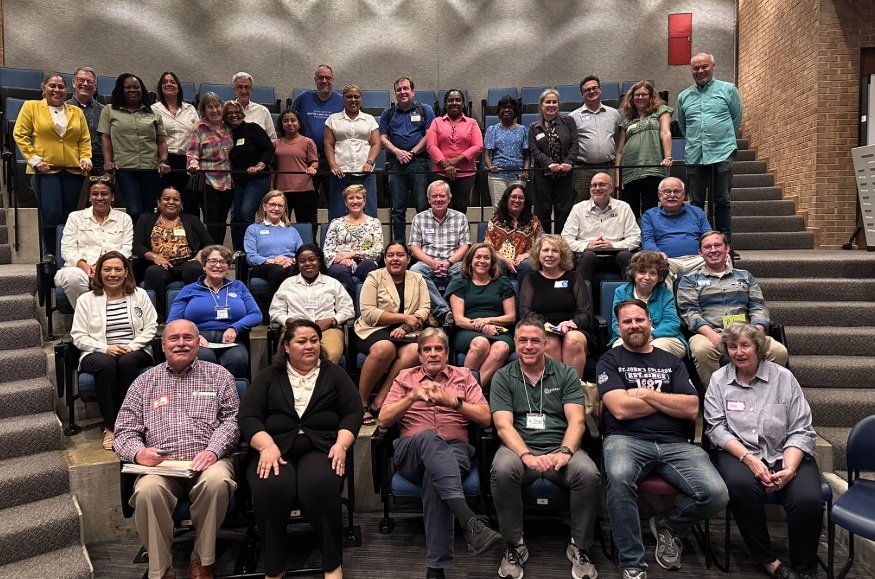
Members of the 2025 Summit @ SLU 2.0